On Making Images & Memory Keeping
Over the years, I realized that documenting my life through photography led to more than a stroll down memory lane: I have a robust archive of memories and stories.
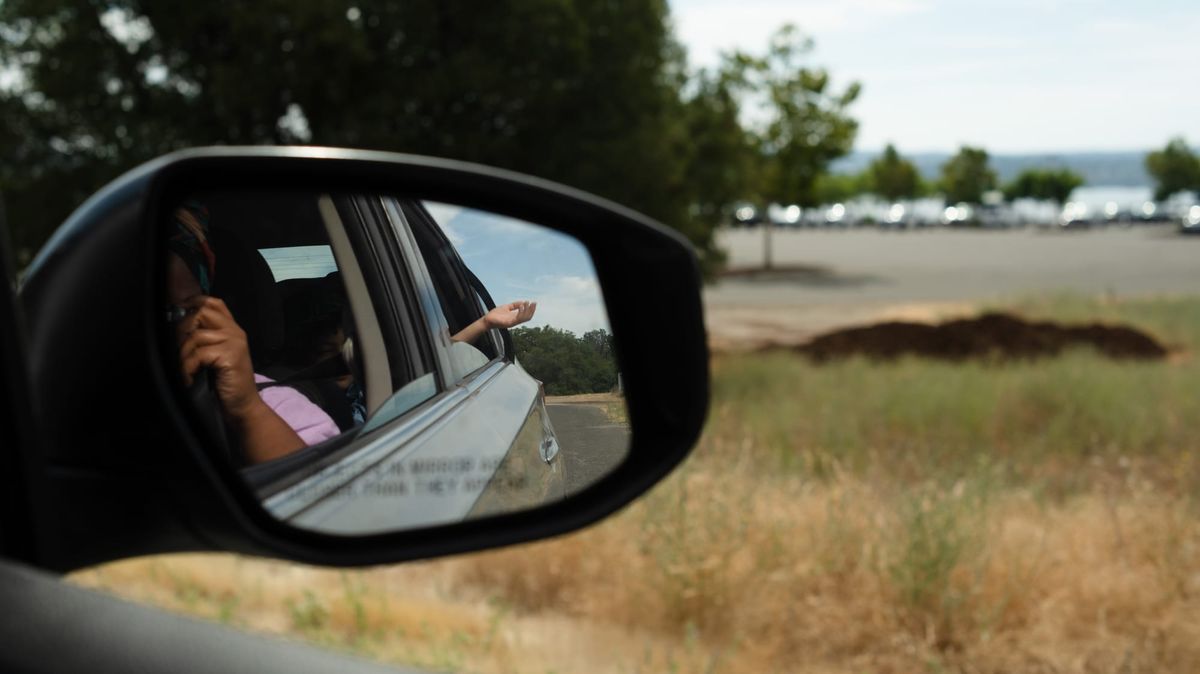
I've been reflecting on what it means to build a personal legacy, as well as my role in the legacies that others have built. Thinking about legacy has reignited my motivation in photography lately. Part of this motivation also comes from looking through dozens of photos I’d taken of my late father over the years. In the process of revisiting our shared memories, I found photos of other loved ones we’d lost in the years prior to his passing.
Growing up, my family always had photo albums —which, looking back, I once thought were a sign of wealth. And that is true when we consider how many families have lost decades of photos through genocide and dangerous demonstrations of climate change, their memories spanned across generations now gone in the physical realm. Reconnecting with ancestors through photos has been essential in my grief journey. I can only imagine how heartbreaking it would feel to lose access to the photographic evidence of those memories.
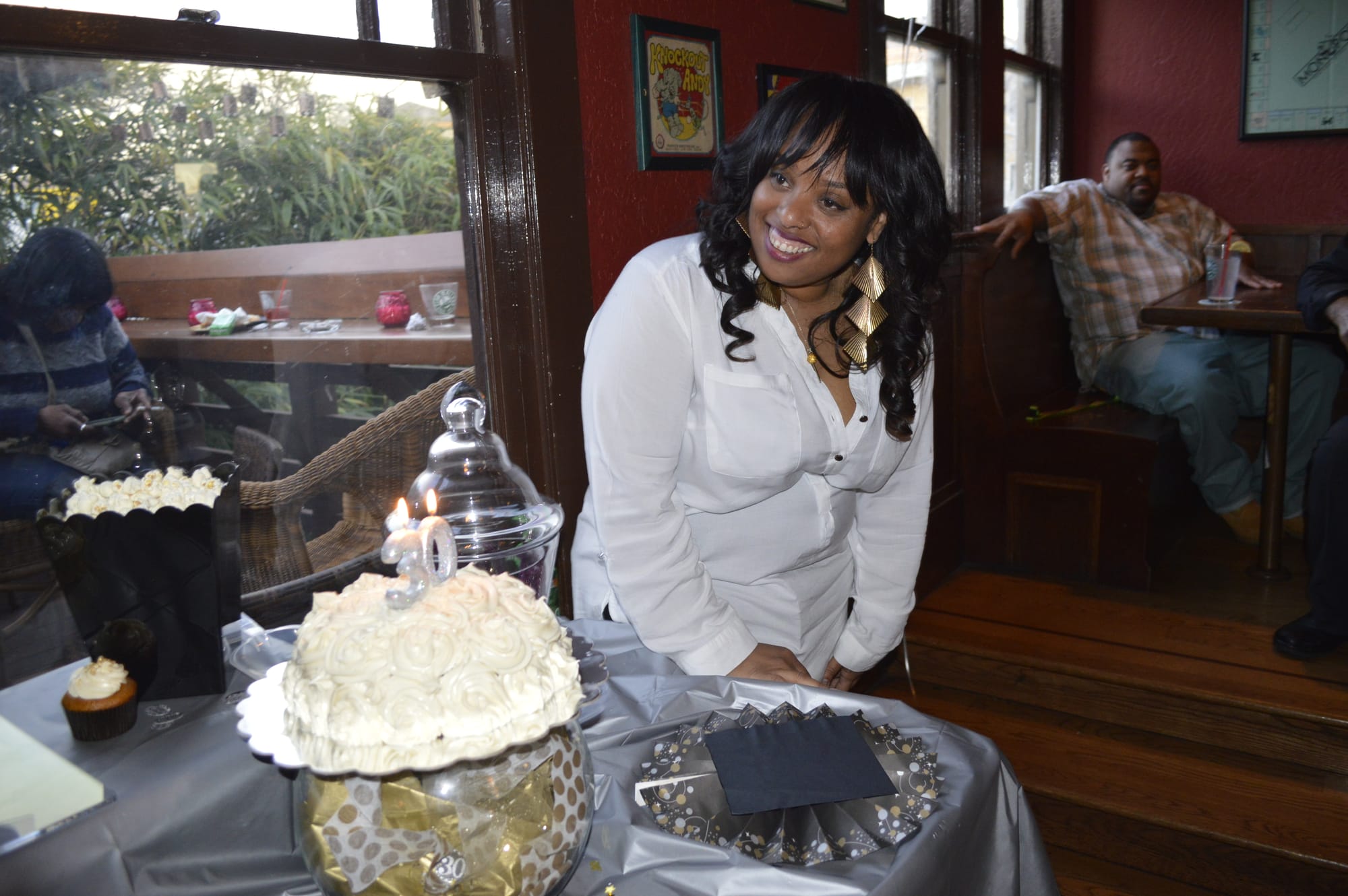
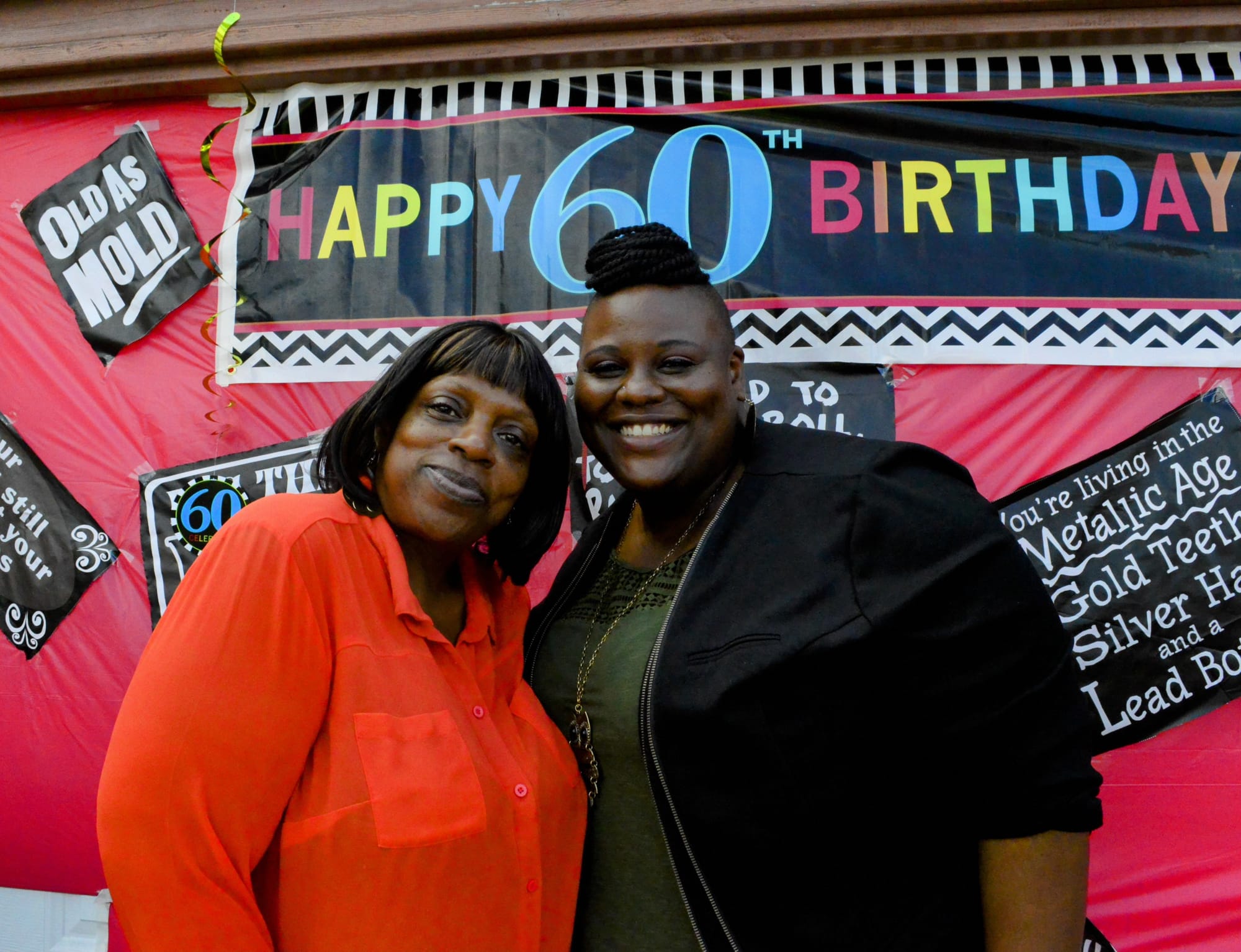
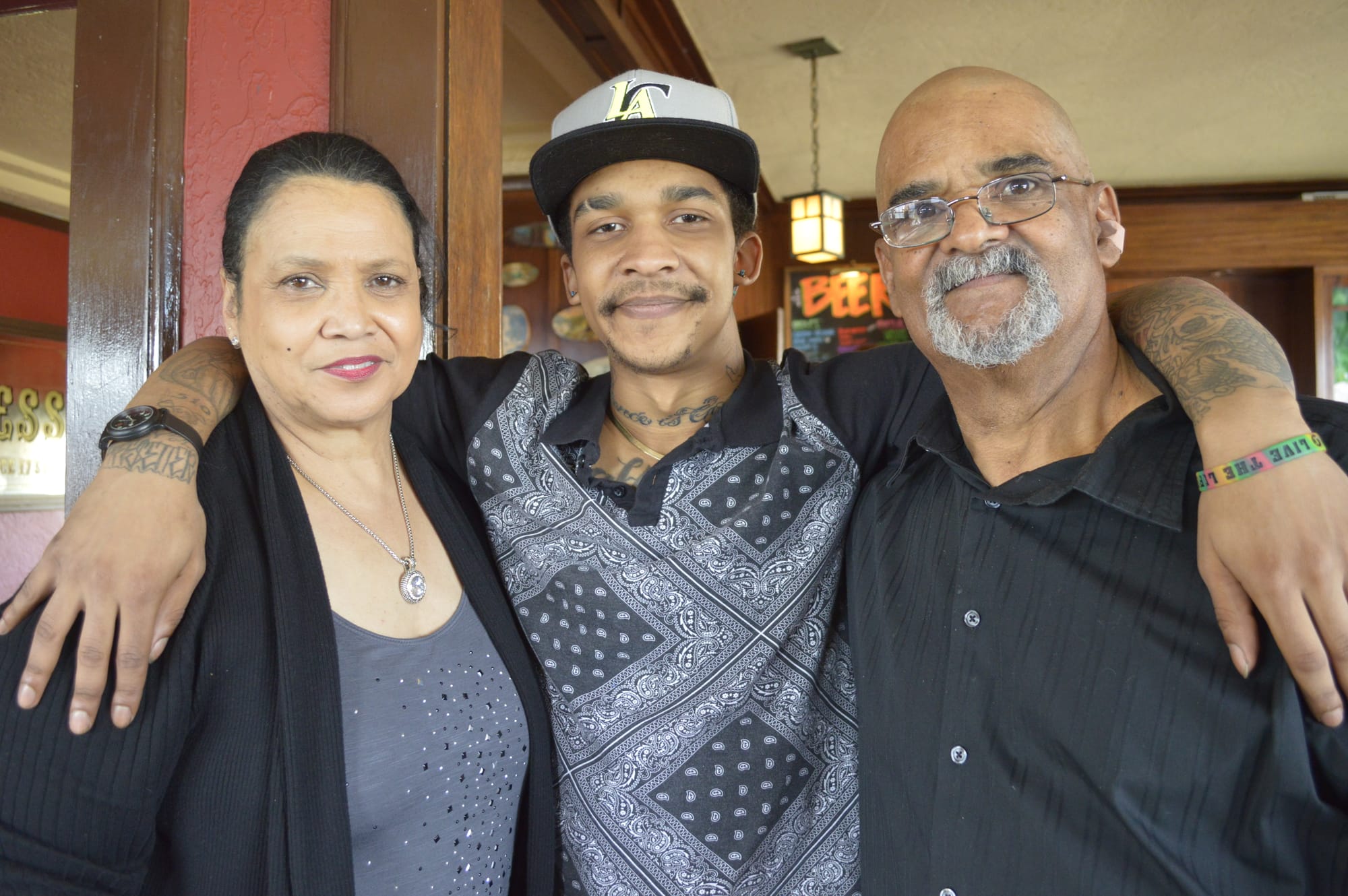
Photos of various family members, including those who are now ancestors. Bay Area, 2017.
We also had half a dozen shoe boxes filled with photos in the original envelopes from the developer. We used to go to a Kmart in Pinole and pick up Chinese food in the same shopping plaza afterwards. My mom wouldn’t let us open the photo envelope until we got home or else we’d get grease fingertips all over them.
Birthday parties. Trips to the amusement park with cousins. Graduations. Births. Funerals. We had a disposable film camera to mark each occasion.
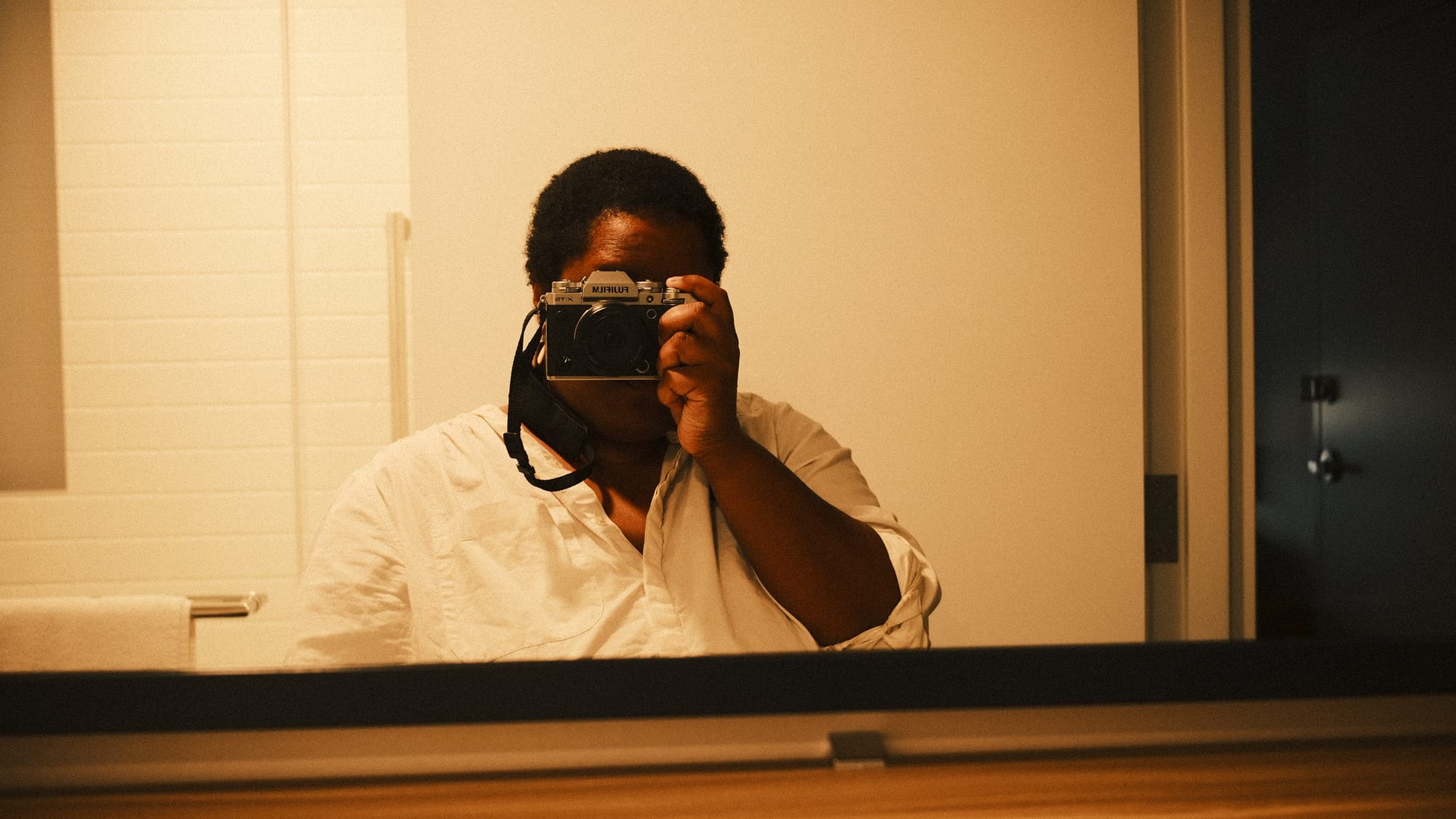
Even as the world moved away from photography as a community project, I owned my role behind the camera from a young age. I fully leaned into this legacy assignment when I was gifted my first digital camera in middle school. As I navigated adolescence, there were other moments that I felt compelled to capture, but there was also a longing for more exciting scenes.
Eventually, I made my way out of the Bay Area. With a camera in tow, of course. Summer in Mendocino. Starting college. Moving to Chicago. Starting over.
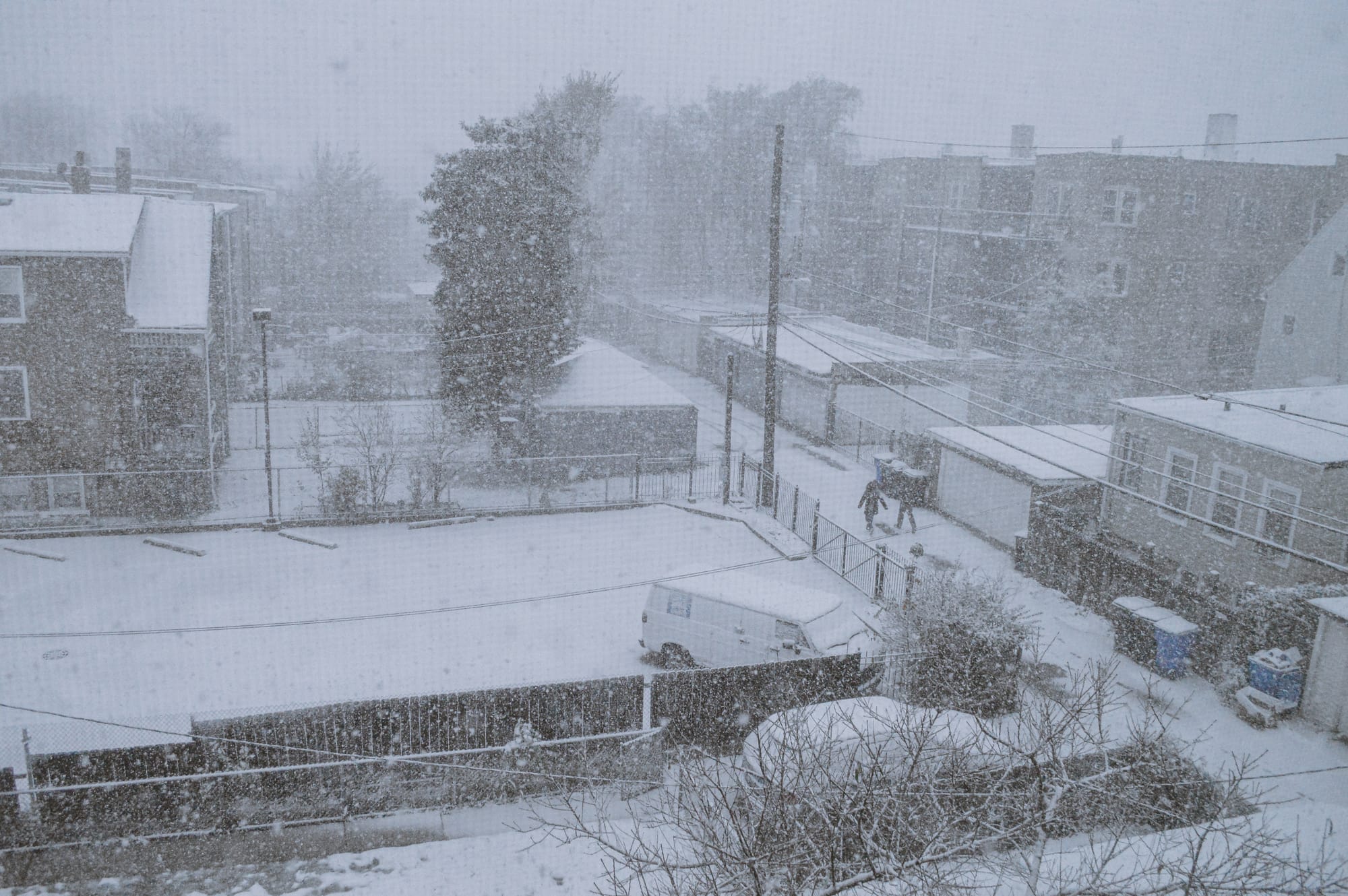
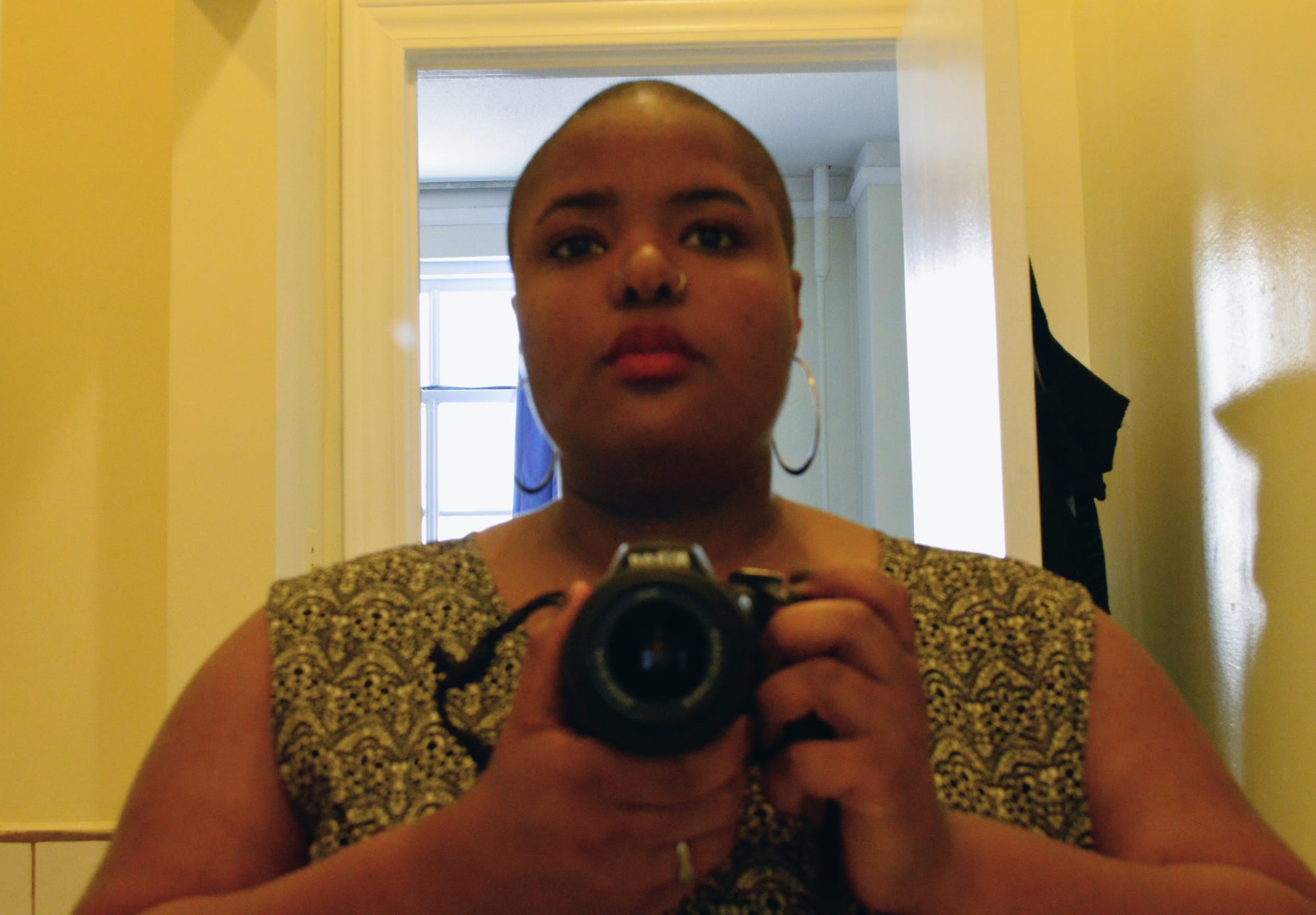
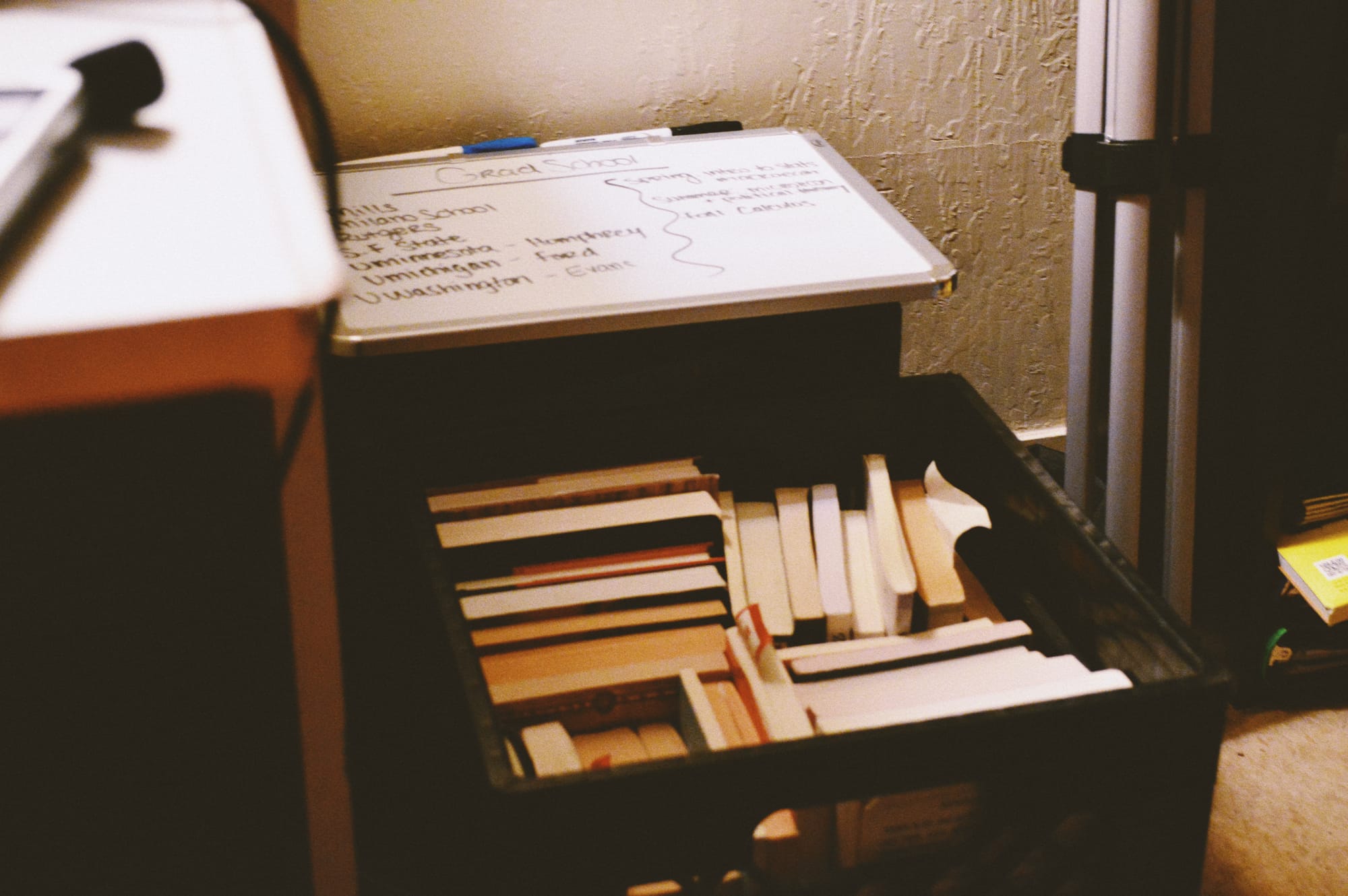
Chicago & Bay Area, 2015.
I carried my camera everywhere throughout my senior year of college. It was an impulse purchase after completing a policy fellowship that made me realize how much I preferred art and storytelling. My previous cameras were sold to pay rent or buy plane tickets, and eventually, I’d sell this one for the same reason at 23-years-old.
Before the camera made its way to a pawn shop in a shitty deal, I brought it everywhere and captured family parties, impromptu picnics with friends, and walks around Chicago and the Bay Area. Most of those photos aren’t organized and it may take another six months to find them all, but it’s comforting to know they’re still there.
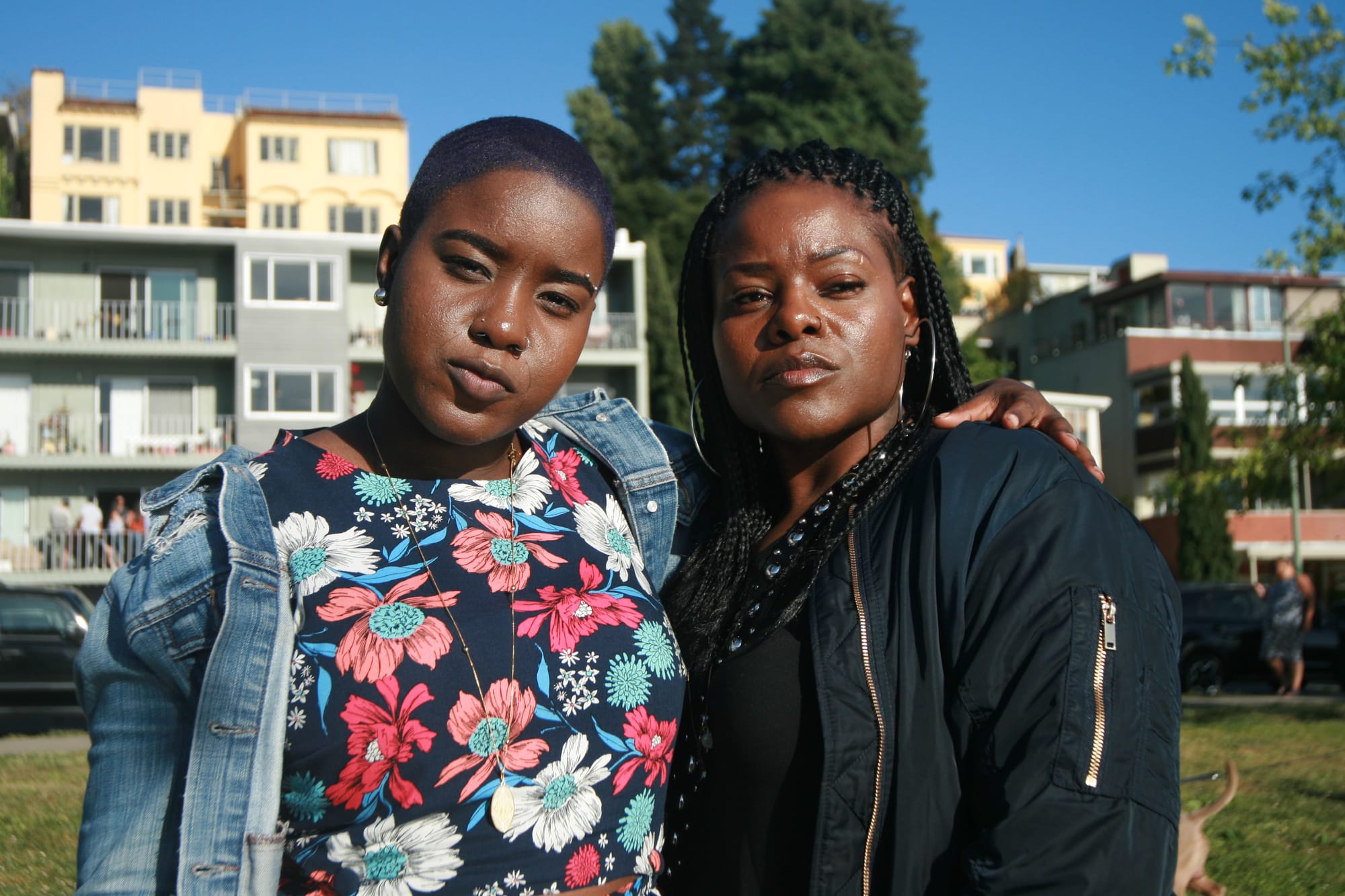
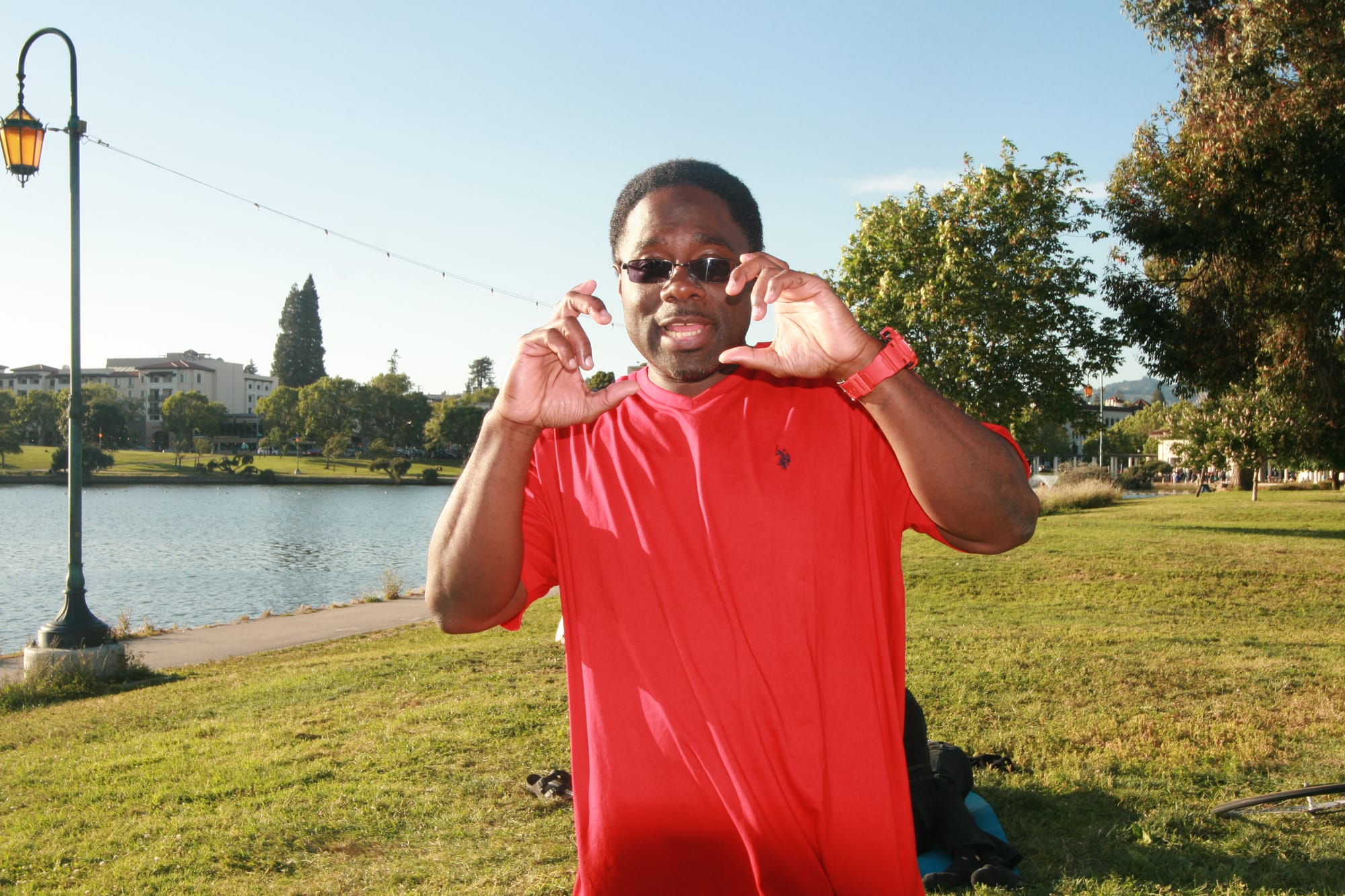
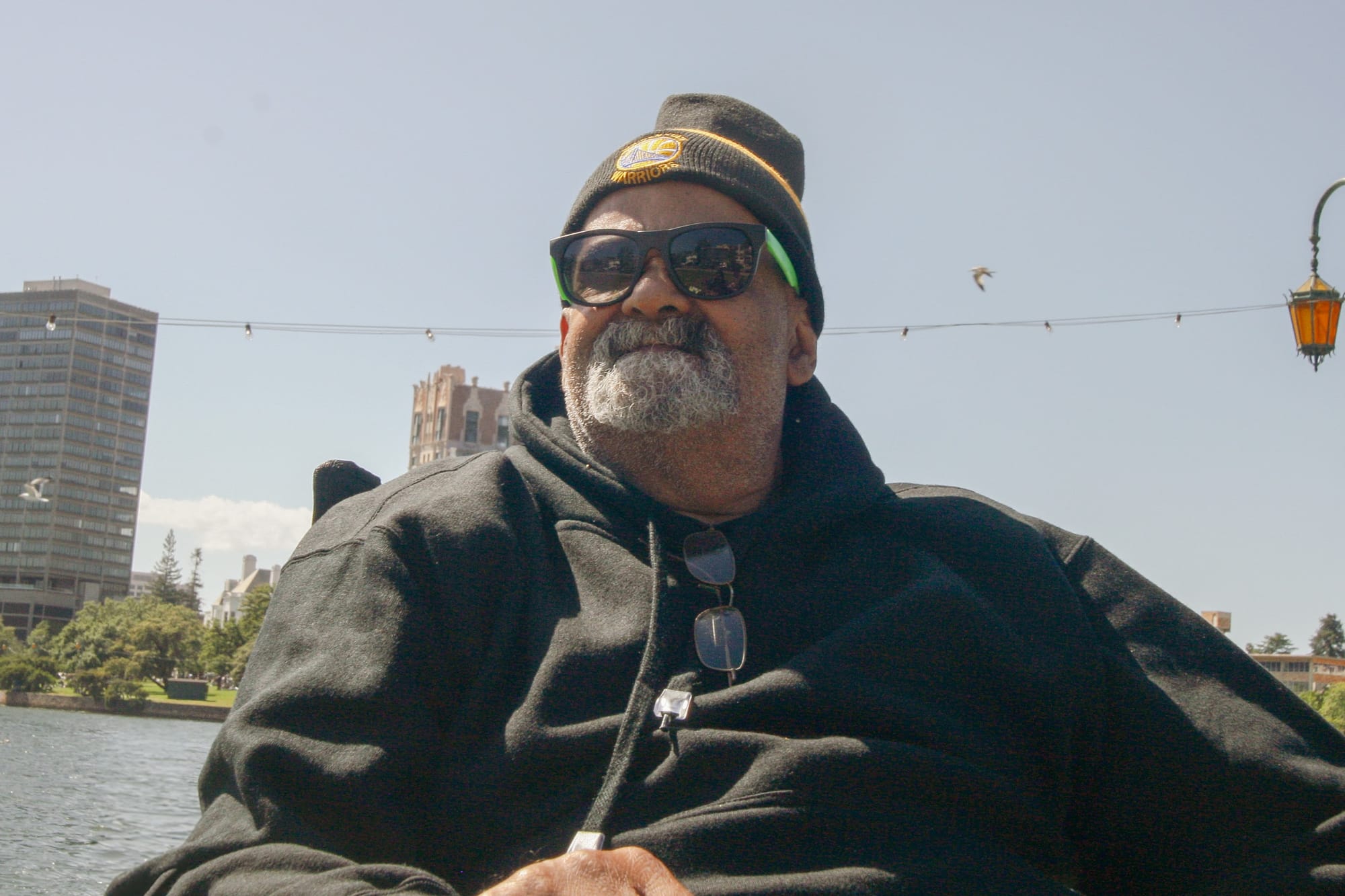
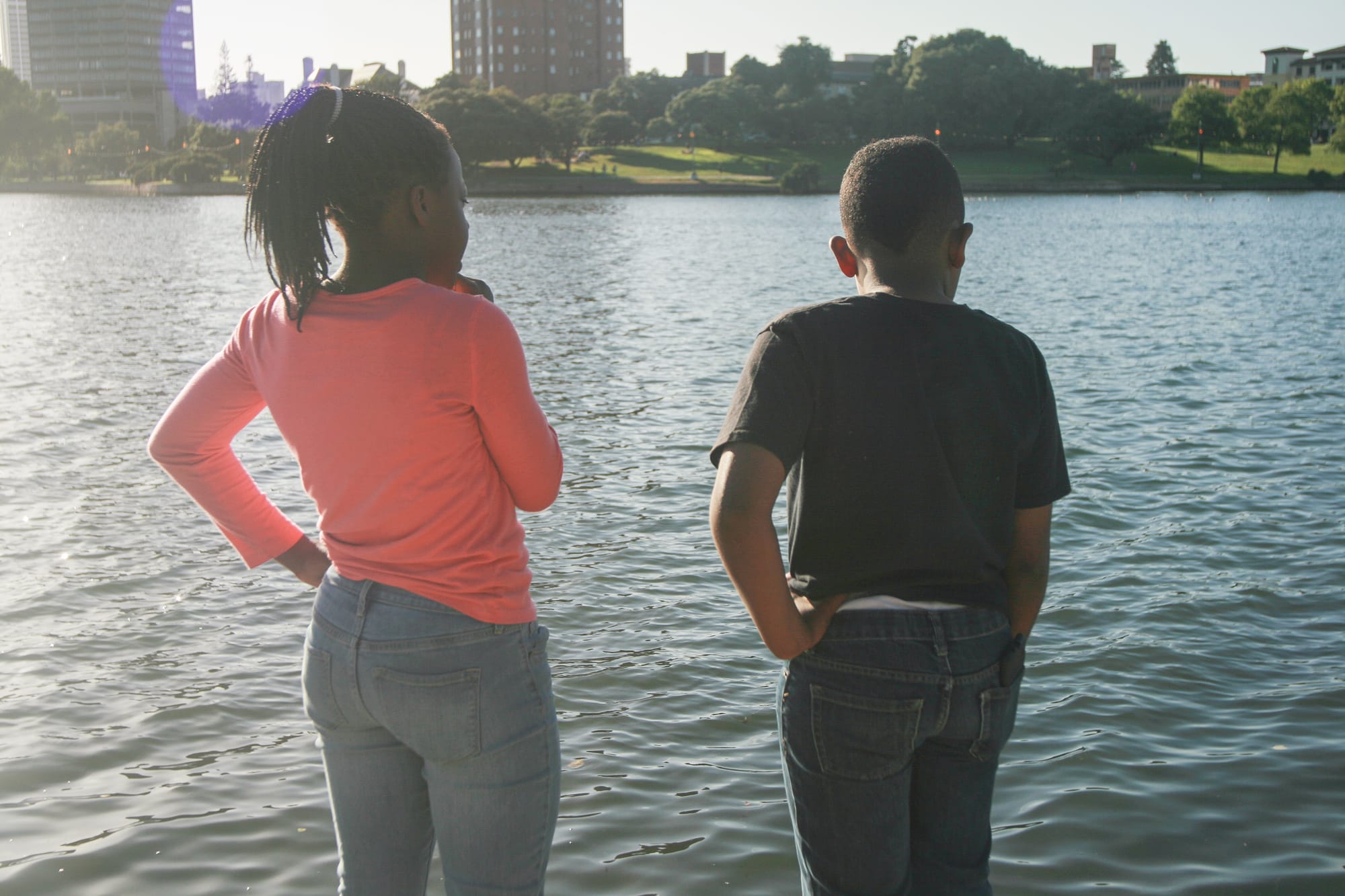
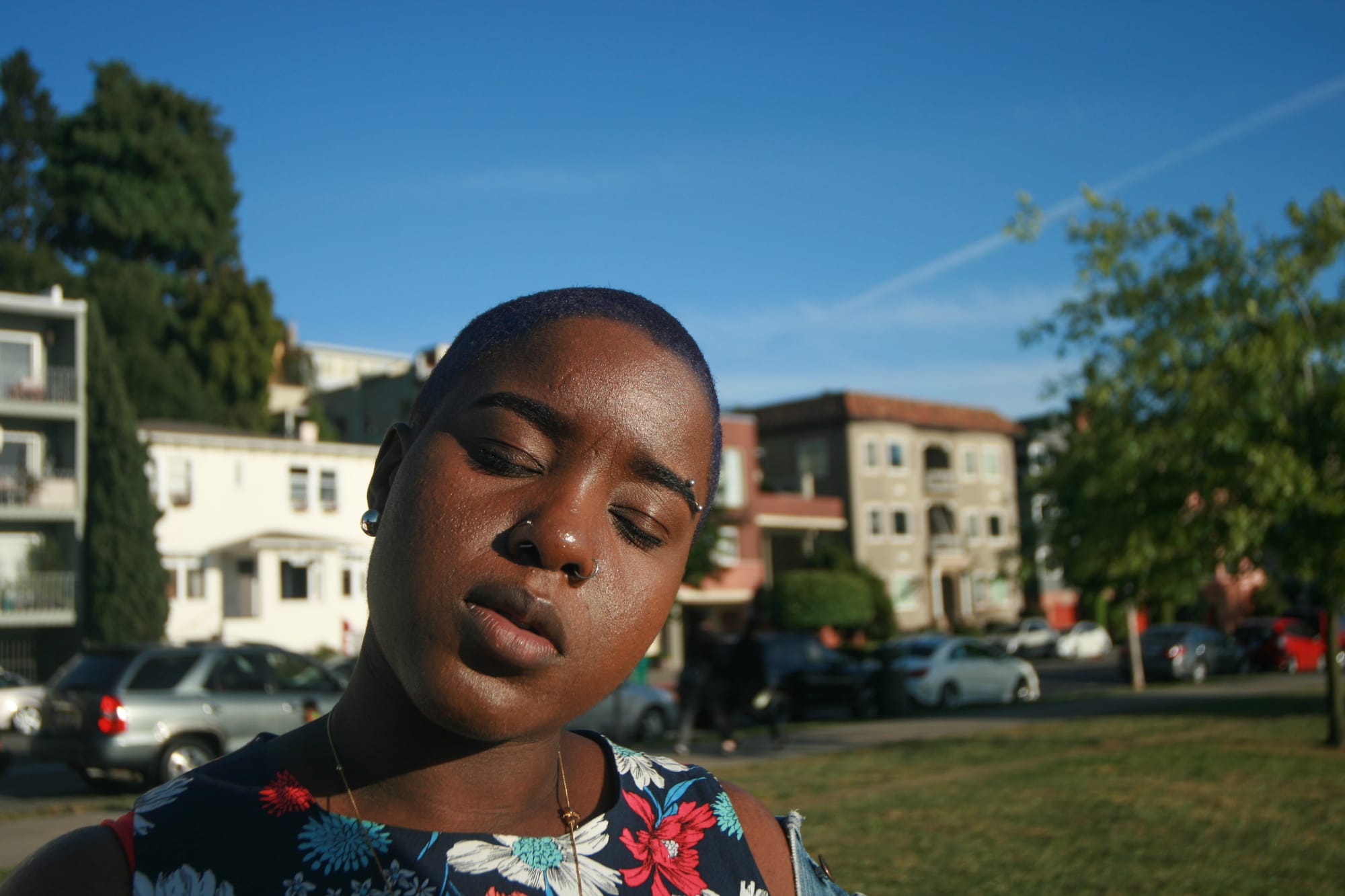
Photos of various family members. Oakland, 2017.
My aunt, who gifted me my first DSLR, gave me another camera under the promise to not sell it, and to call her instead if I couldn’t pay my rent. I used that 2006 Canon Rebel XTi to document my brother’s return home after two decades of incarceration. I remembered taking the photos but didn’t find them until I was reunited with the camera last spring. I didn’t realize it was tucked away in a storage unit with the compact flash card inside. Finally equipped with a proper card reader, I was able to look through the photos from 2017. What a time capsule.
And to think I was starting to doubt the importance of documenting.
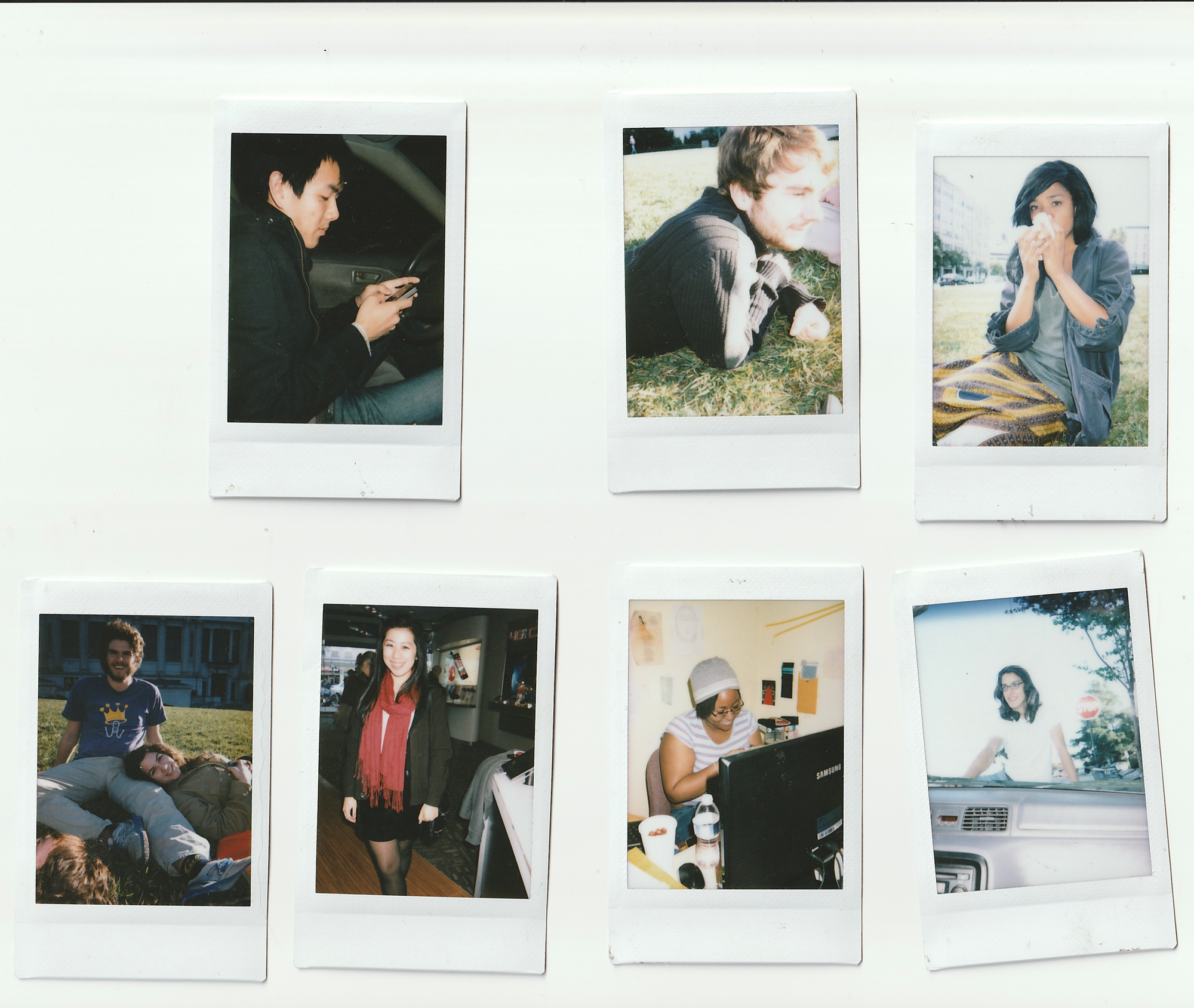
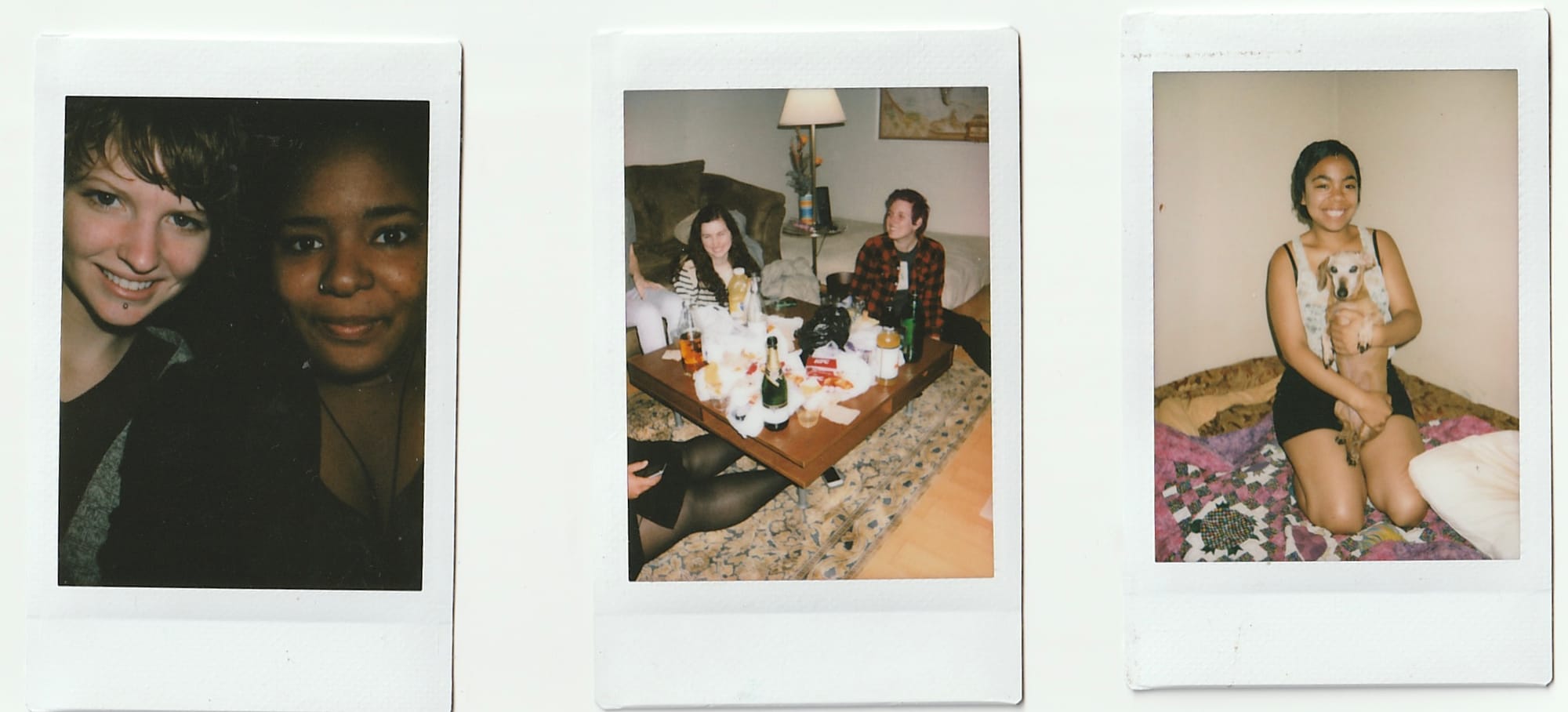
various photos taken on Instax mini film, 2010 - 12.
Creating Through Doubt
I don't feel confident in calling myself a photographer. In the past, I made mistakes with photography projects because I didn’t prepare. I thought that talent and skill were a package deal, and quickly found myself lacking both.
That can be true to an extent: knowing all the techniques doesn’t get you closer to making an image that tells a story. However, taking the time to slow down and embrace the learning curve gets you closer to making an image that fills a sense of pride—and I rarely felt that. Until now.
Over the years, I realized that documenting my life through photography led to more than a stroll down memory lane: I have a robust archive of memories and stories.
Photography and keeping each other’s memories is so precious and fragile in a volatile world such as ours. There is no greater honor, for there are countless people who disappeared for this goal—we must remember each other. Don’t let them erase how it feels to hold each other in memory. Our humanity’s on the line.
Technique is the last factor that I consider when reviewing these images. It’s frustrating to know how many times I didn’t pull out my camera because I didn’t think I was skilled enough. I didn't realize advancing my skills was impossible without trying. Creating would been a better use of time than doubting myself.
Just take the darn photo. Keep crafting your story. Keep admiring your people.
🎨 Inspiration
https://mengwencao.com/ — I came across Mengwen Cao’s art on Polaroid’s website. Their project I love you, but I have to leave now resonates deeply, and the use of instant film provides a familiar sense of intimacy.
Sarah-Ji of Love & Struggle Photos — I can't explain how the respect and appreciation I have for Sarah-Ji's photography and what she has captured movements in Chicago. Just look through her Flickr album and you'll get it.
Doriyan Coleman — I enjoy read Cleveland-based photographer Doryian Coleman's newsletter, Camera Flow, and find it inspiring as a photographer who wishes that I spent more time documenting my hometown. It definitely encourages me to get out and document where I am and strengthening my relationship to the environment.
Photography by Tonal's Corner — I love following the work of Tonal's Corner in Chicago. Following their Instagram when I lived in California often made me nostalgic for the city and its people. (Chicagoans are amazing, if you haven't already found out.)
How Labour Activism changed the landscape of post-war USA | Huck
Lyon, who worked alongside the Civil Rights Movement as a member of the Student Nonviolent Coordinating Committee, used photography as a tool to speak truth to power.
“Dr King understood that,” says Best, who points to photographs made during the 1963 March on Washington and the 1968 Poor People's Campaign. “You’ll see the way these unknown photographers were embedded in the Movement, and how they are using photography to speak about these events.”